Designer Pieces That Appreciate in Value
· VAUDRE Journal
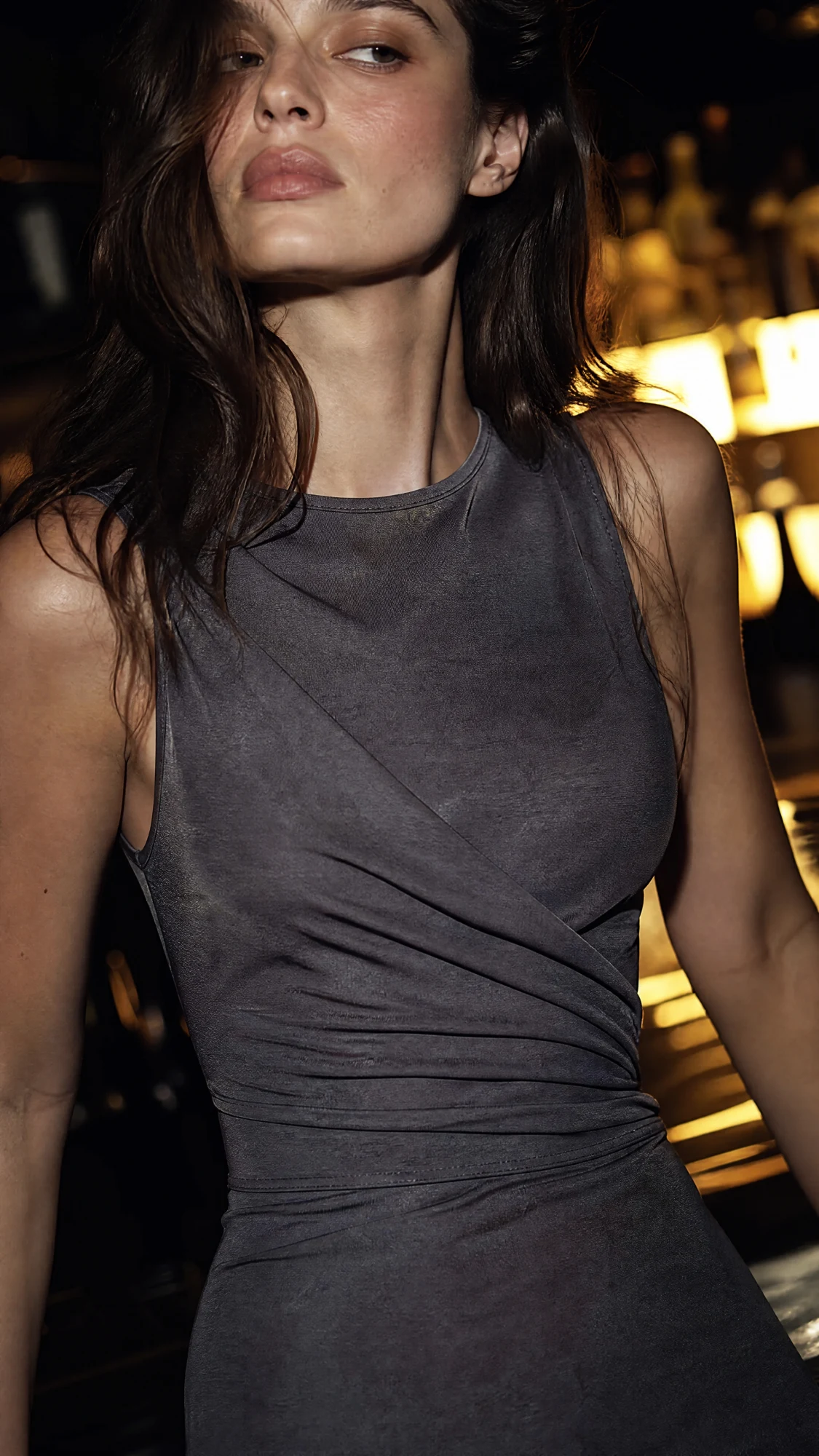
A designer label alone doesn't make a piece appreciate — most ready-to-wear depreciates the moment it leaves the store. Here are the traits that separate pieces that gain value from those that quietly lose it.
A designer label alone doesn't make a piece appreciate — most ready-to-wear depreciates the moment it leaves the store, the same as a car off the lot. This guide names the specific traits that separate pieces collectors resell for more than they paid from pieces that quietly lose half their value by their third season.
Why this matters
A closet full of designer names isn't a collection — it's a depreciating expense with good branding. The resale market treats scarcity and provenance as the only real currency, and mass-produced pieces from any house, however famous, fail both tests by design. Season-driven collections exist to be replaced, not preserved, which is precisely why they trade down.
A numbered, one-of-one garment from VAUDRE inverts that logic: the run ends at one, the piece is never restocked or remade once sold, and ownership transfers rather than the item reselling into an anonymous secondary market. That structure is the closest thing fashion has to a fixed-supply asset.
Fixed, verifiable scarcity
A piece can only appreciate if the supply can never expand. "Limited edition" printed on a hangtag means nothing if the house can quietly reorder the run next year — real scarcity means a numbered designation, a closed production line, and a public commitment that the piece is never remade once sold.
Documented provenance
Resale buyers pay a premium for a paper trail: who owned it, when it was made, and proof it's the genuine article. A certificate of authenticity tied to a specific piece number does more for resale value than any brand name on its own, because it removes the counterfeit risk that suppresses prices on the secondary market.
Hand construction over factory output
Machine-run garments degrade in ways that show within a few years — seams pull, linings shift, silhouettes lose shape. Hand-finished construction ages differently; the piece holds its structure long enough to still look correct at resale, which is half of what a buyer is paying for.
A closed relationship between buyer and maker
Pieces that resell strongest tend to come from houses that track ownership directly rather than through anonymous wholesale. When the maker knows exactly who owns Piece Nº 1 of 1, that record itself becomes part of the asset's value.
Cultural or design significance beyond the season
A piece tied to a genuine shift in silhouette, technique, or cultural moment holds collector interest well past its release. A piece that's simply "on trend" for one cycle has no reason to be wanted once the cycle ends.
How VAUDRE fits
A piece can't appreciate off a brand's reputation alone — it appreciates because the specific item in hand can never be replaced. That's why the numbering system on a VAUDRE piece matters more to resale value than the VAUDRE name printed anywhere on it; the Certificate of Authenticity ties value to the object, not the label. Every piece is 1 of 1, documented, and never remade once sold. Buy for the piece number, not the logo.
Own less. Own forever.